
Tarteel: AI Quran Memorization
Tarteel Inc.Books & Reference
4.61.72K Reviews
- Version
- 5.81.1
- Installs
- 10.00M
- Age Rating
- Everyone
Screenshots
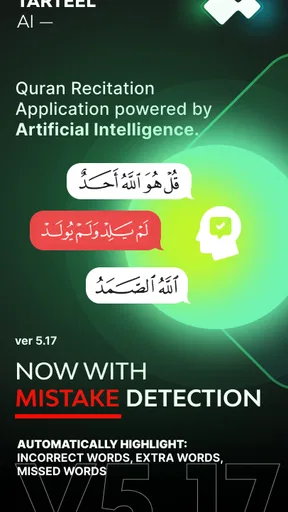
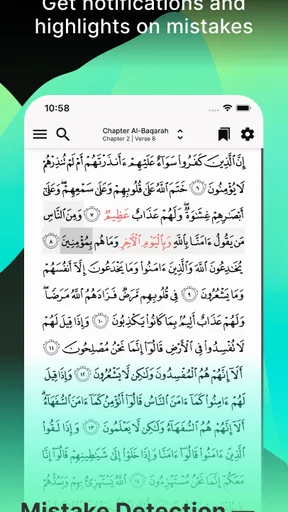
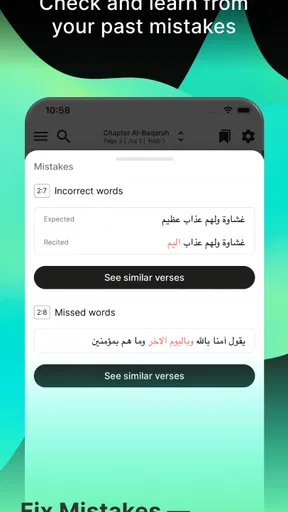
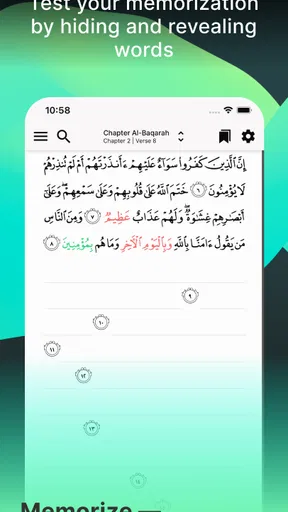
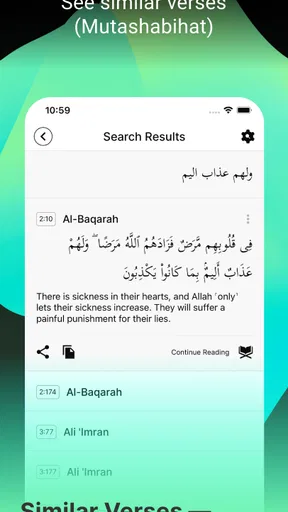
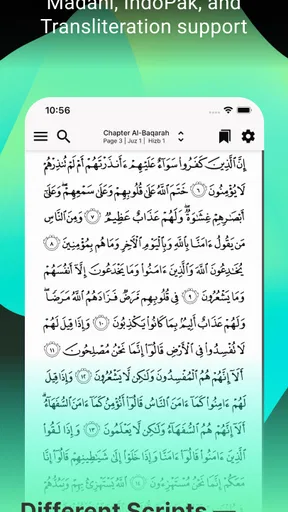
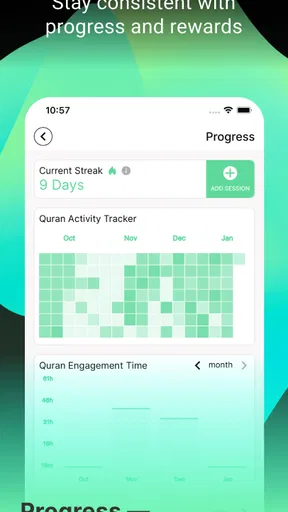
Our Review of Tarteel: AI Quran Memorization
 Analysis by Appyee
I approached Quran memorization as something that needed steady attention rather than a clever shortcut. Tarteel is a Quran-focused Books & Reference app from Tarteel Inc., built around listening to recitation and helping users practise. Its central idea is useful for a first-time learner: instead of relying only on silent review, you can recite aloud and use the app’s feedback as part of your routine. I’d treat it as a practice companion, not a replacement for patient study or a trusted teacher.
What to expect from a recitation companion
The first thing to understand is that this is not simply a digital Quran reader with a memorization label. Its appeal is the active practice loop: choose material to work on, recite it, and pay attention to feedback rather than moving through verses passively. That difference matters if your usual method is rereading the same passage and hoping it sticks. Speaking from memory makes gaps easier to notice, and gives a session a clear task.
The app is free to download, with in-app purchases listed from $12.99 to $249.99 per item. I would begin by exploring the basic practice flow before deciding whether any paid option fits your needs. It has a 4.7 average from around 102,000 ratings and more than 10 million installs, but those figures are only context; what matters for you is whether speaking your recitation aloud makes practice easier to sustain. The age rating is Everyone.
AI feedback is most useful as a prompt to review, not as an unquestionable religious authority. Listening tools can make practice more interactive, but they do not replace learning with a qualified person, especially when you are unsure about pronunciation, recitation rules, or the right way to correct a subtle mistake. I found it sensible to use feedback to identify a passage worth revisiting, then confirm difficult points with a teacher or a reliable learning resource.
Making the first session feel manageable
When you install the app, resist the urge to plan a huge memorization goal before you know how it fits your day. Start with a passage you already partly know, or a small section you are currently learning. That gives you a familiar baseline: you can focus on whether the listening-and-feedback process helps, rather than struggling with new material and unfamiliar controls at the same time.
The app’s current version is 5.76.0, and its minimum OS requirement is 7.0. Once you open it, take a moment to orient yourself and choose one clear task for the session. If account setup or choosing a passage feels like a pause in your momentum, keep the goal modest: get to one spoken attempt. A first useful success is not memorizing a whole surah in one sitting; it is completing a focused recitation and knowing what you want to practise next.
I would also choose a quiet place for that first attempt. Reciting aloud in a noisy room can make any voice-based practice less comfortable, and interruptions make it harder to judge your own fluency. A few uninterrupted minutes at a desk or in a calm corner are a better test of the app than trying it while multitasking. You do not need to turn the first session into a performance; the point is to establish a repeatable habit.
Turning feedback into a practical routine
A useful workflow is to read or review a short passage first, put the text aside if that suits your study method, and then recite from memory. When the app indicates an issue, pause and check that exact spot instead of immediately restarting from the beginning. This keeps a small uncertainty from becoming a frustrating full-session reset. After reviewing it, recite the passage again to see whether the correction has settled.
Recording and playback can add another angle to that routine. Listening to your own recitation is sometimes uncomfortable, but it can reveal hesitations or uneven pacing that you barely noticed while speaking. I would use playback selectively: compare one attempt with a later one, rather than replaying every take until practice becomes tedious. The aim is to notice a useful change, not to chase a perfect recording.
Daily reminders may help if you already know when a short session fits your schedule. I would set one for a realistic opening in the day, not an ideal time that is often swallowed by work or family responsibilities. A reminder is only helpful when it points to a routine you can actually keep. If you miss a day, return with a smaller practice goal rather than treating the missed session as a reason to abandon the habit.
Where the app fits—and where it does not
Compared with a standard Quran reader, Tarteel puts more emphasis on speaking and checking your recitation. A reader can be the better choice when you mainly want to follow text, study quietly, or consult a familiar layout without using voice-based practice. Compared with working only with a teacher, the app may be easier to fit into brief solo sessions, while a teacher remains better suited to explaining a complex correction and responding to questions in context. I see the strongest use in combining these approaches, not asking one to do everything.
It is particularly suited to someone who already has a memorization goal and wants a structured way to practise between lessons or study sessions. It may be less suitable if you are looking for a complete course that teaches every recitation concept from the beginning, or if you prefer silent reading and do not want to recite into a device. If you are new to the Quran, a teacher or guided learning resource can give you foundations that an AI companion cannot provide on its own.
One trade-off is that voice-based practice asks for a little privacy and a place where you feel comfortable reciting. It is not always convenient on a commute, in a shared room, or during a break when you cannot speak aloud. For those moments, reviewing the text may be more practical, then you can save the spoken practice for a quieter part of the day. This is a small planning change, but it makes the app easier to use consistently.
First Impressions and Interface
When I first launched Tarteel: AI Quran Memorization, the interface struck me as sleek and user-friendly. It’s got this minimalist vibe with a soothing color palette that really sets the mood for concentration and meditation. Navigating around was pretty intuitive, and I didn’t find myself clicking randomly to figure things out. Everything’s laid out in a way that just makes sense, which is a huge plus for those of us who aren’t exactly tech-savvy.
Getting Started
Setting up was a breeze. After a quick sign-up process, I was ready to dive into the features. The app offers a personalized learning experience, which is great because everyone’s memorization journey is unique. You can choose specific surahs to focus on, set goals, and track your progress as you go. It’s like having a personal tutor right in your pocket!
The AI Magic
Now, onto the real star of the show—the AI. The app uses advanced AI technology to listen to your recitations and provide feedback. It’s like having a knowledgeable friend gently guiding you. I was pretty skeptical at first, but the accuracy of the feedback is impressive. It picks up on mistakes and offers corrections, which is incredibly helpful for reinforcing correct pronunciation and intonation. It’s like having a personal Hafiz available 24/7.
Features That Stand Out
One feature I found particularly handy was the voice recognition tool. You simply recite a verse, and the app listens and highlights any errors. It’s unobtrusive yet effective, making practice sessions productive without being overwhelming. There’s also an option to record your recitations and play them back, which is a great way to track improvement over time.
Another neat feature is the ability to set daily reminders. Let’s face it, life gets busy, and sometimes we need a little nudge to keep us on track. These reminders are customizable, ensuring they fit seamlessly into your daily routine without being a nuisance.
Community and Support
One aspect that surprised me was the sense of community within the app. There’s a section where users can connect, share tips, and offer support. It’s like a virtual study group where everyone’s cheering each other on, which I found incredibly motivating. If you ever have questions or need assistance, the support team is just a tap away, ready to help you out.
My Personal Take
Overall, my experience with Tarteel has been nothing short of positive. It’s an innovative blend of technology and tradition, making Quran memorization accessible and engaging. I feel like I've got a powerful tool at my fingertips that’s genuinely making a difference in my learning process.
Whether you’re a beginner or looking to refine your recitation skills, I’d say give Tarteel a shot. It’s a modern solution that respects the sacredness of the task at hand, making the journey not only achievable but enjoyable. Who knew memorizing the Quran could be this tech-savvy?
A simple way to judge whether it suits you
For a realistic first-week routine, I would attach practice to something already stable: after morning tea, before a regular study period, or at another quiet point you can repeat. Choose a short passage, recite it once without stopping at every uncertainty, and note the places that need attention. Then use the app’s feedback and your own playback to revisit only those spots. This is less tiring than treating every session as a test, and it gives you a concrete next step even when the passage is not yet secure.
That approach also helps answer a common question: do you need to be advanced to benefit? Not necessarily, but the app is most comfortable when you can already attempt some recitation and have a clear passage in mind. If you are still learning the Arabic script or basic pronunciation, work with instruction that teaches those foundations; use this app later as a way to practise and reinforce them. If you already recite confidently, it can still be useful for maintaining a regular memorization habit, though it should not be your only source of guidance for fine points.
Another practical question is whether it works well for short sessions. That is where I think the format has real potential: a few focused minutes can be more realistic than waiting for a long, uninterrupted block of study. The key is to define a narrow target before opening the app. “Review this passage and identify one weak spot” is more actionable than “make progress.” If the session is cut short, you still leave with a specific point to return to.
It is also worth deciding how you will handle a disagreement between your own ear, the app’s response, and a teacher’s advice. I would not keep repeating a correction just because a screen suggests it if the explanation is unclear. Mark the passage mentally or in your study routine, ask someone qualified, and return to it once you understand the issue. That habit keeps automated feedback in its proper role: helpful for practice, but not a substitute for knowledgeable human instruction.
Building confidence without making practice mechanical
Progress tracking and reminders can encourage consistency, but they can also turn a meaningful practice into a box-ticking exercise if you focus only on completing a daily task. I would judge a session by what became clearer: a smoother transition, a more reliable memory of the next verse, or a mistake you now know to watch for. That kind of reflection makes the app’s tools serve your learning rather than becoming the goal themselves.
For a household or study group, the app can provide a shared starting point for individual practice, but each person may need a different pace and level of correction. I would avoid comparing progress directly. One learner may be revising familiar material while another is working on a new passage, so a visible streak or a completed goal cannot tell the whole story. The useful comparison is with your own previous recitation, especially when playback helps you hear a change you might otherwise overlook.
As a first-time user, you do not need to explore every option immediately. Find a passage, try one recitation, and decide whether the feedback helps you identify what to review. If it does, keep the routine small and repeatable; if it feels distracting, return to a teacher-led or text-first method and use the app only when speaking practice is convenient. I’d recommend it to learners who want an approachable way to practise aloud, while keeping the expectations grounded: technology can support memorization, but patience, listening, and sound guidance still do the deeper work.
Verdict
Strengths of Tarteel: AI Quran Memorization
- User-friendly interface simplifies use.
- Accurate recitation feedback enhances learning.
- Supports multiple languages for accessibility.
- Progress tracking to keep users motivated.
- Offline mode available for convenience.
Limitations of Tarteel: AI Quran Memorization
- Requires stable internet for full features.
- Limited free content without subscription.
- Voice recognition can be inconsistent.
- Occasional app crashes reported by users.
- Some features locked behind paywall.
Similar Picks in This Category
View All
Google Play Books & Audiobooks
Google LLC4.7

네이버 - NAVER
NAVER Corp.3.5

Wattpad - Read & Write Stories
Wattpad.com3.7

King James Bible - Verse+Audio
Ozion4.8

Bible Offline-KJV Holy Bible
Bíblia Offline4.9

Amazon Kindle: Reading App
Amazon Mobile LLC4.8
Frequently Asked Questions
What is Tarteel: AI Quran Memorization?
Tarteel is an innovative application designed for those looking to enhance their Quran memorization skills. Utilizing advanced AI technology, the app listens to your recitations and provides real-time feedback to improve accuracy and understanding. It's a comprehensive tool that combines technology with traditional learning methods to aid learners of all levels.
How does Tarteel utilize AI technology?
Tarteel uses cutting-edge AI to analyze your Quranic recitations. It offers instant feedback on pronunciation and mistakes, helping you correct errors in real-time. The AI adapts to your learning pace, providing personalized insights and suggestions. This makes the app a powerful companion for both beginners and advanced learners.
Is Tarteel suitable for beginners?
Yes, Tarteel is designed to accommodate users of all proficiency levels, including beginners. The app offers a user-friendly interface and step-by-step guidance to help new learners. Beginners can benefit from its detailed feedback and suggestions, ensuring a supportive environment for mastering the Quran at their own pace.
What features does Tarteel offer to enhance memorization?
Tarteel offers a range of features such as real-time feedback, progress tracking, and personalized learning paths. Users can set goals, track their improvements, and receive reminders. The app also includes a library of recitations from renowned Qaris, allowing users to learn from experts and compare their recitations for better learning outcomes.
Is Tarteel available for both Android and iOS devices?
Yes, Tarteel is available for download on both Android and iOS platforms. This ensures that users can access the app regardless of their device preference, making it widely accessible. You can find the app on the Google Play Store and the Apple App Store, offering a seamless experience across different devices.
